BLACK MATERNAL HEALTHCARE WEEK 2026
April 11th - 17th
Black Maternal Health Week (BMHW) is a time to speak truth and take action about the crisis Black mothers face - and to honor the power, resilience, and leadership of Black women who are building new systems of care. In 2026, BMHW marks 10 years of this movement, held April 11-17, under the theme Rooted in Justice & Joy.
Led by organizations like the Black Mamas Matter Alliance, the National Birth Equity Collaborative, and the Black Women’s Health Imperative, this week is about more than awareness - it’s about demanding justice, celebrating our people, and centering Black mothers as the foundation of our communities and our future.



The Black Maternal Health Crisis in Delaware
The Black maternal health crisis is not new - it is the result of generations of racism and neglect in healthcare. This is a public health issue that Black mothers have been forced to carry for too long.
In Delaware, the harm is clear. Black women and babies continue to face higher rates of death than their white counterparts. Between 2011 and 2018, Black women made up about one in four births, yet they accounted for 50% of maternal deaths. In Wilmington, the Black infant mortality rate is three times higher than the rate for white infants across the state.
These numbers are not accidents - they are the outcome of systems that do not value Black lives. We must name the racism in healthcare and fight for care, resources, and protection that Black mothers and babies deserve.
The Causes
The Black maternal health crisis is not a mystery - it is the result of systems that have never been built to protect Black women. In Delaware, Black mothers and babies are dying at higher rates because racism shows up in healthcare, in policy, and in everyday treatment.
Black women are too often dismissed, ignored, or not believed when we seek care. Many are denied quality prenatal and postpartum support, face gaps in insurance coverage, and are not given the information or resources we deserve. These barriers are not accidents - they are the result of a system that creates unequal access to care.
We also see higher rates of conditions like hypertension and other chronic illnesses in Black communities, which are tied to long-standing inequities, stress, and lack of access to consistent, quality care.
This crisis is not about individual behavior. It is about systems that must be changed. Black mothers deserve to be heard, respected, protected, and fully supported - before, during, and after birth.
The Solutions
The crisis in Black maternal health didn’t happen by accident - it is the result of racism, disinvestment, and systems that have failed to protect Black women and our families. Fixing it requires more than surface-level change. It requires bold action, accountability, and putting Black women at the center of the solutions.
That means expanding access to high-quality, respectful maternity care, confronting and ending racism in healthcare, and investing in the things our communities need to thrive - like stable housing, living wages, education, and safe environments.
In Delaware, the Delaware Healthy Mother and Infant Consortium (DHMIC) is working to close the gap in outcomes for Black mothers and babies. This work must be rooted in community voice, guided by lived experience, and backed by real resources and sustained commitment to Black lives.




Local Community Events
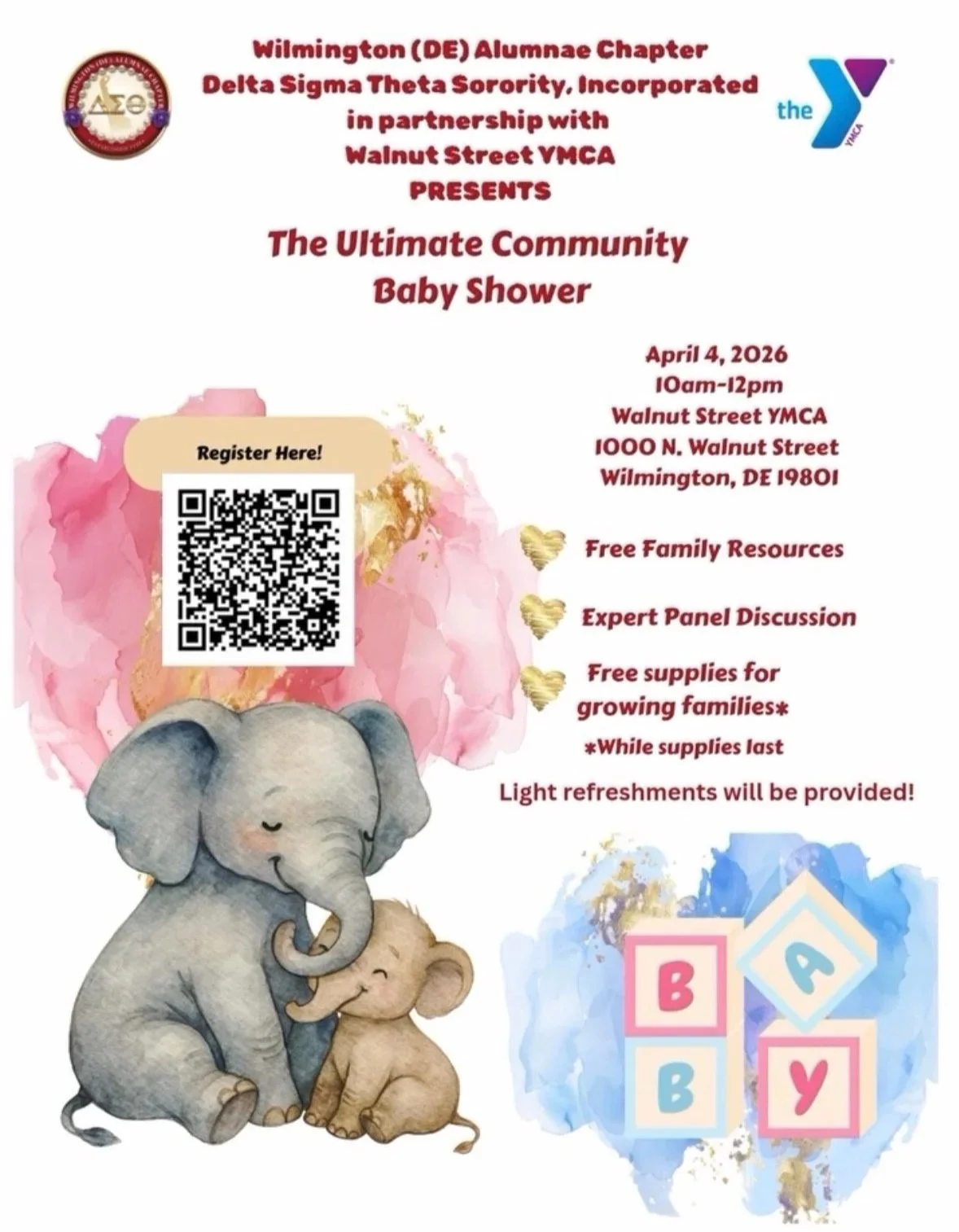
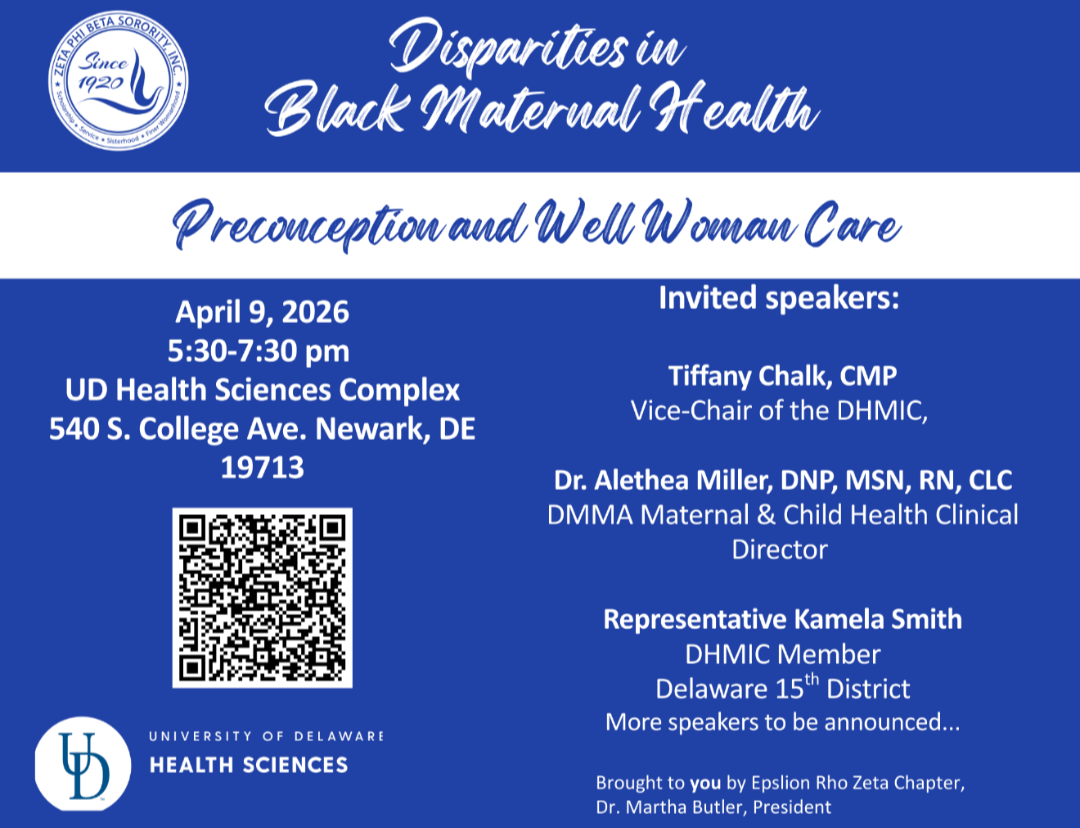
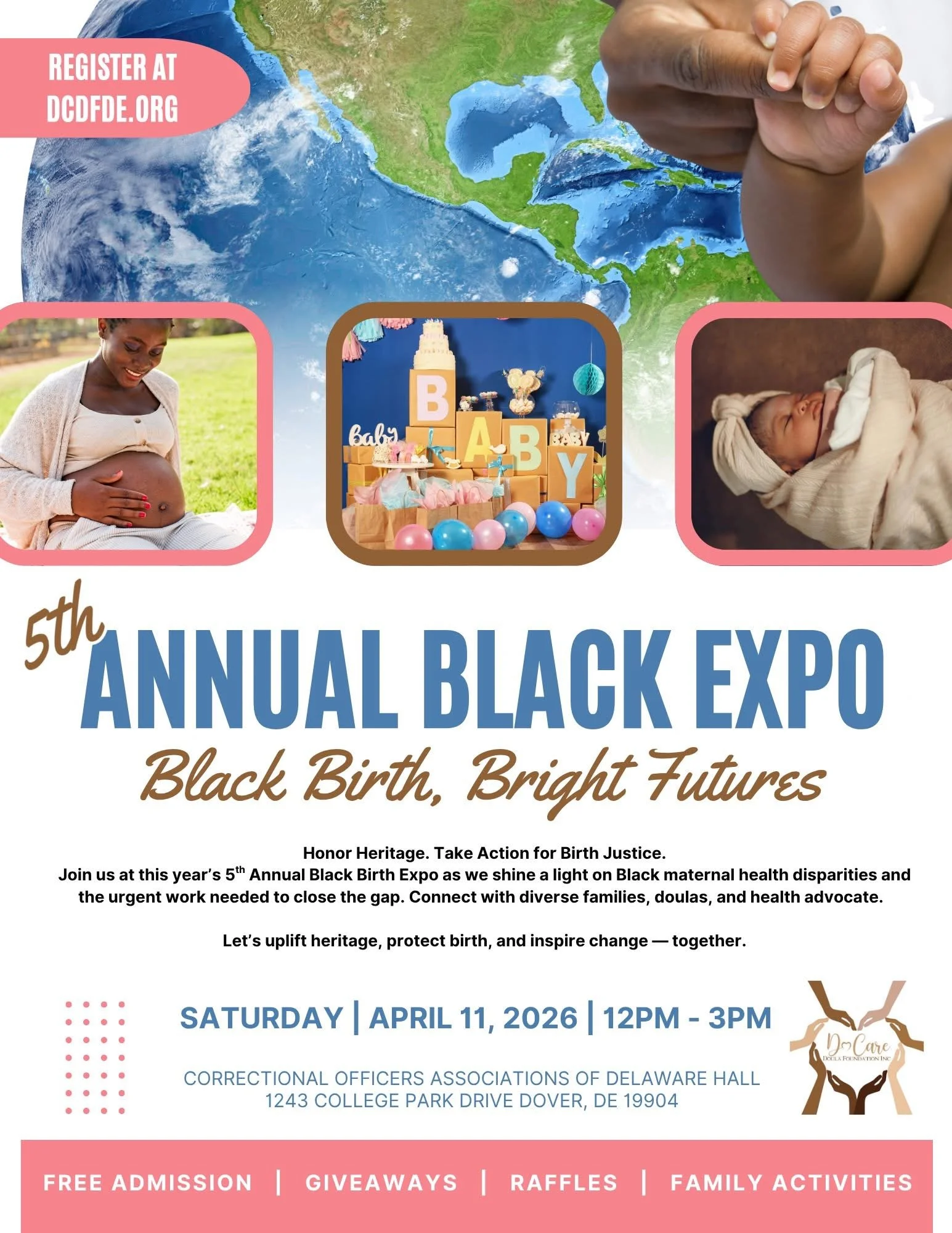
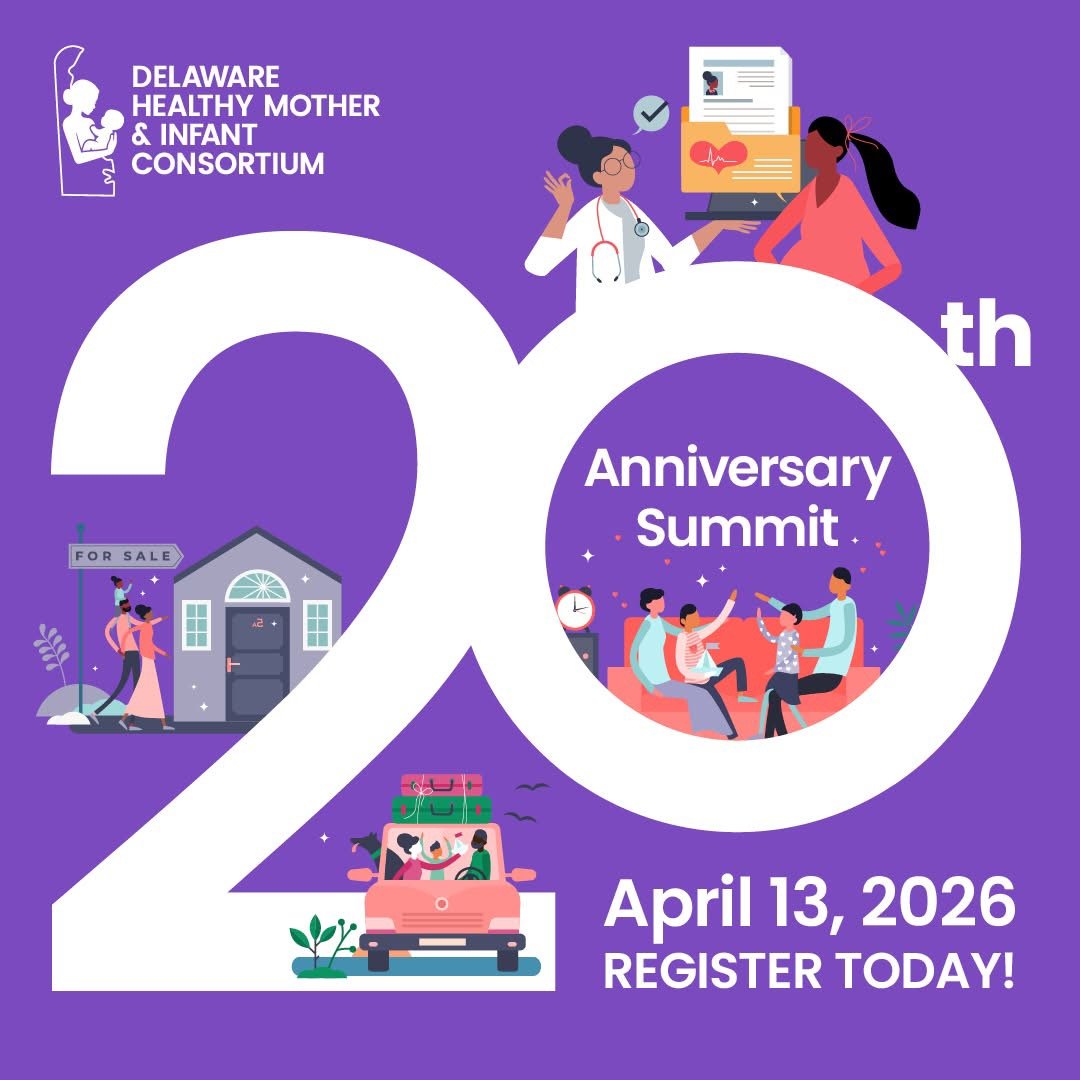
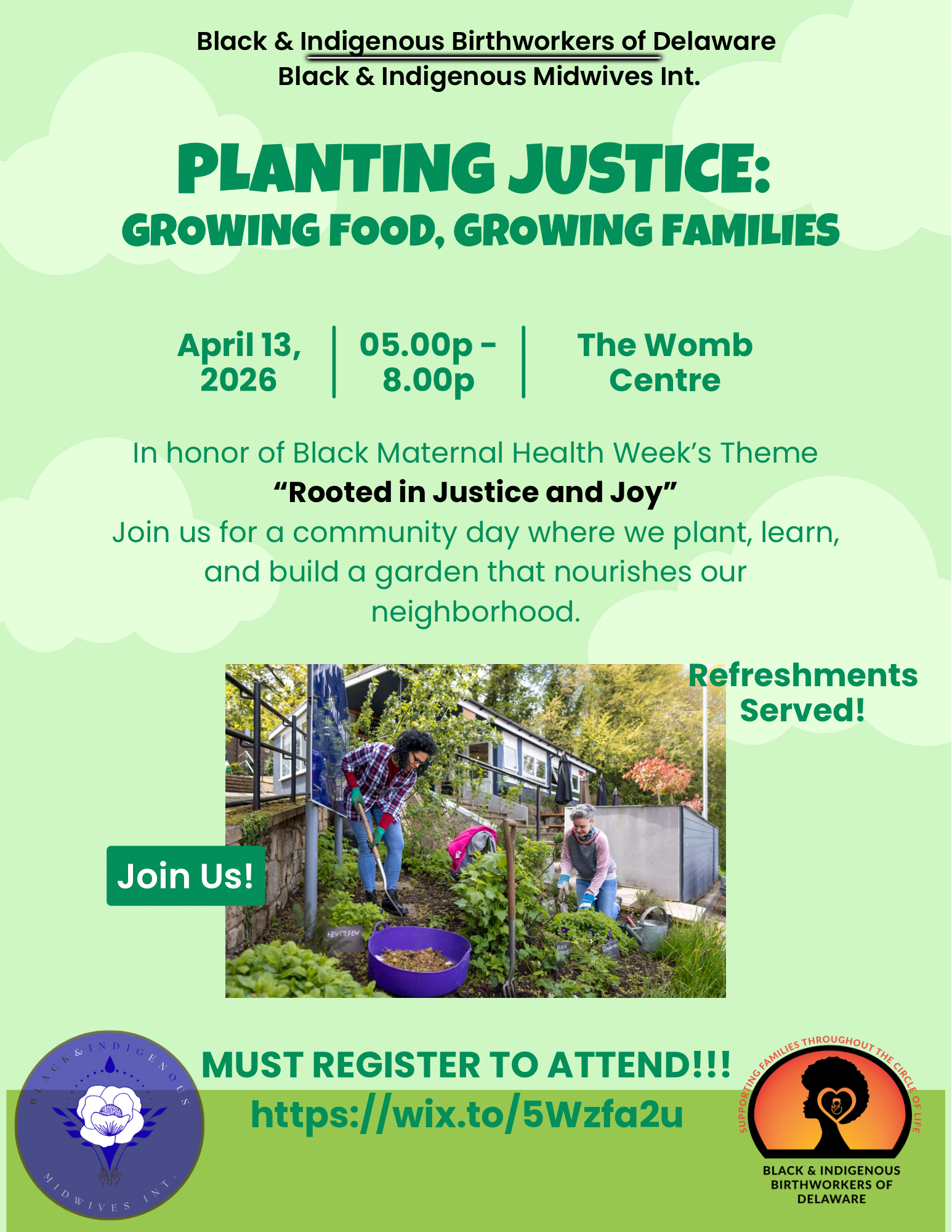
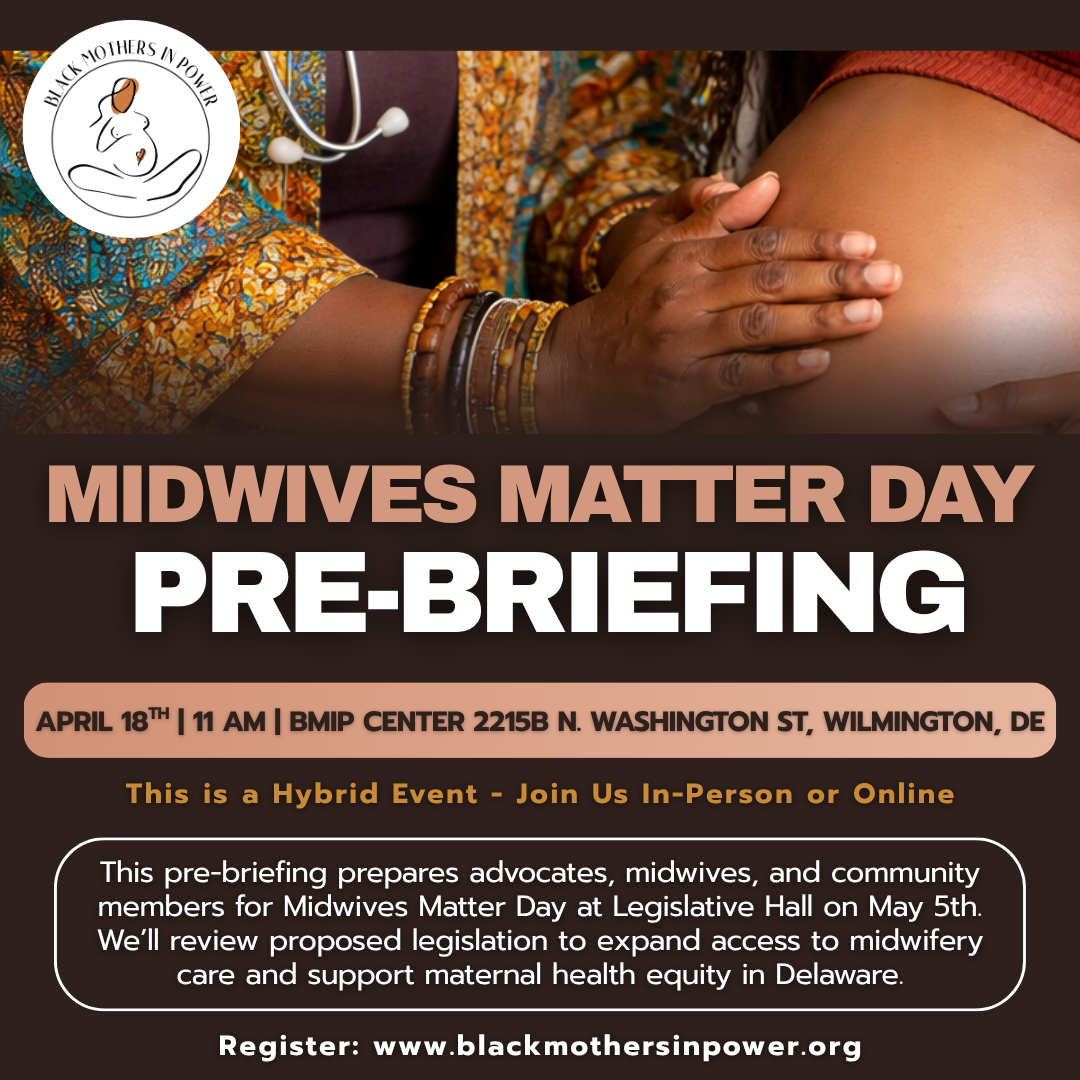
Black Mothers In Power is uplifting a collection of community events happening during Black Maternal Health Care Week.
Click on any flyer to learn more and register, and find ways to connect, show up, and support Black maternal health in our communities.